Historical Attractions

Lalibela

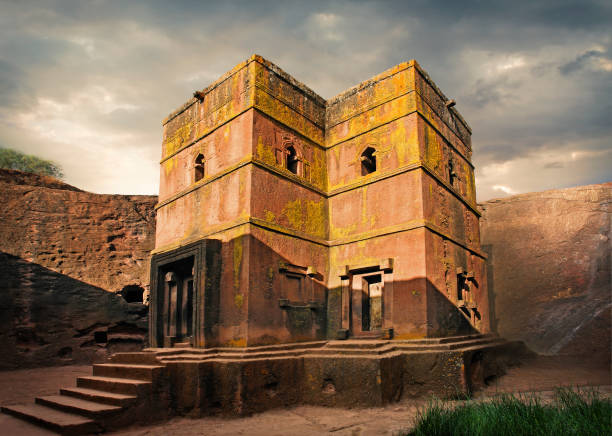
Lalibela is one of Ethiopia’s most extraordinary destinations, known for its sacred atmosphere and remarkable stone architecture. The town is home to eleven churches carved directly into solid rock during the 12th century, an achievement that continues to amaze historians and architects alike. Built under the reign of King Lalibela, the churches were intended to serve as a spiritual center for Ethiopian Christians and a symbolic alternative to Jerusalem. Narrow walkways, trenches, and tunnels connect the structures, guiding visitors through a carefully planned religious landscape. 

Axum

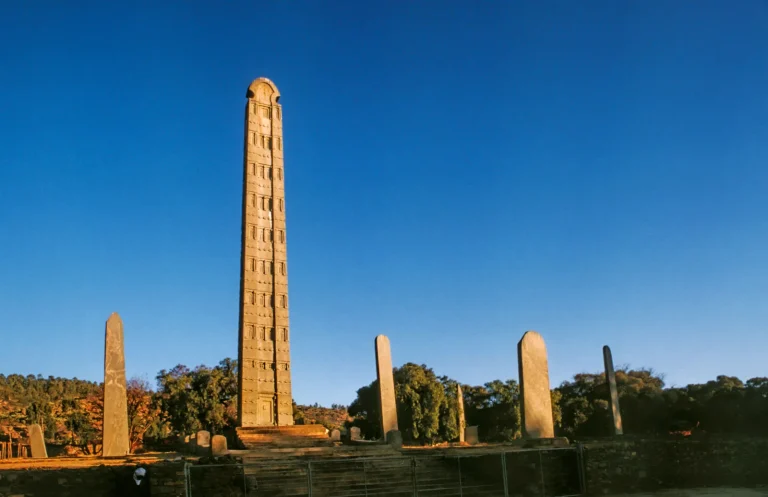
Axum is one of the most important historical cities in Ethiopia and a former center of power in the ancient world. As the capital of the Axumite Empire, the city played a major role in trade, religion, and politics between the first and eighth centuries AD. Today, Axum is known for its towering stone stelae, underground royal tombs, and archaeological remains that reflect the sophistication of the ancient kingdom. Ethiopian tradition also holds that the Ark of the Covenant is kept within the Church of St. Mary of Zion, adding deep religious significance to the city. 


Gondar

Gondar served as Ethiopia’s imperial capital during the 17th and 18th centuries and is celebrated for its distinctive royal architecture. The city’s historic core, known as the Royal Enclosure or Fasil Ghebbi, contains a collection of castles, palaces, and ceremonial buildings constructed by Emperor Fasilides and later rulers. Nearby, Debre Berhan Selassie Church stands out for its beautifully preserved murals and iconic ceiling adorned with angelic faces.


Yeha

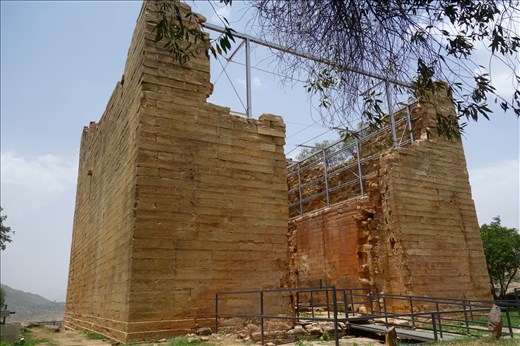
Yeha is believed to be the earliest known urban settlement in Ethiopia, with origins dating back to around the 8th century BC. The site is best known for the Temple of Yeha, an impressive stone structure built using massive blocks fitted together without mortar. Scholars link the temple to the pre Axumite civilization and cultural connections with South Arabia. Despite its age, the structure remains remarkably intact. Nearby, a later Christian monastery reflects the continued religious importance of the area over many centuries. Yeha provides valuable insight into Ethiopia’s ancient foundations and early cultural exchanges.


Harar Jugol

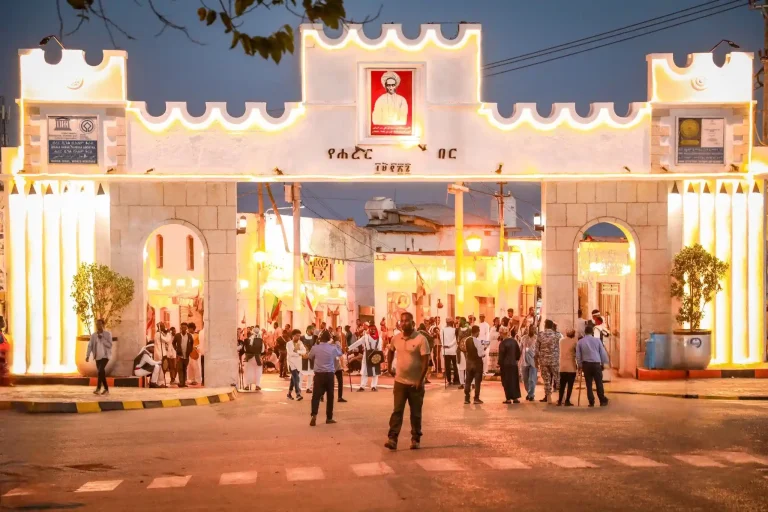
Harar Jugol is one of Ethiopia’s most culturally distinctive cities and holds a special place in Islamic history. Enclosed by historic walls, the old city contains dozens of mosques, shrines, traditional houses, and winding streets that preserve centuries of urban life. Harar developed as a major center of trade and Islamic scholarship between the seventh and eleventh centuries. The city’s architecture, customs, and daily rituals have remained largely intact, giving visitors a strong sense of continuity. 


Gheralta Rock-Hewn Churches

The Gheralta region in northern Ethiopia is defined by dramatic mountain formations and remote rock-hewn churches carved into steep cliffs. Many of these churches date back to the early centuries of Christianity and are accessible only by challenging climbs. Inside, visitors find ancient wall paintings, religious manuscripts, and sacred objects that have been preserved for generations.