Tribes Of Omo

Hamar People

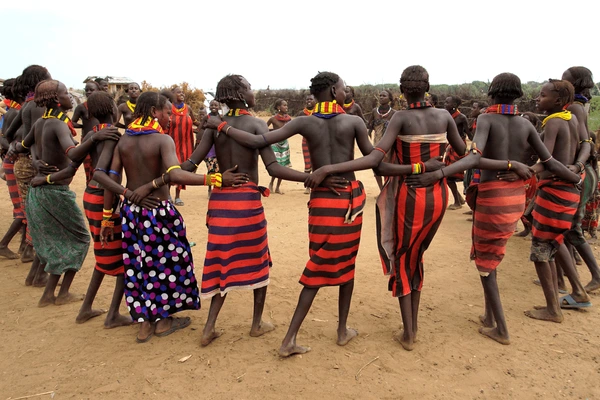
The Hamar community inhabits the rugged landscapes of the South Omo Zone and is widely recognized for its vibrant cultural expressions. Their traditions are deeply tied to identity, family, and social responsibility. One of their most significant ceremonies is the bull-jumping ritual, marking a young man’s transition into adulthood. Hamar women are known for their distinctive hairstyles, coated with a blend of butter and ochre, and for wearing decorative skirts made from animal hides and beads.

Mursi People

Residing mainly within the Mago National Park area, the Mursi are one of the most visually distinctive groups in the Omo Valley. Women are traditionally associated with clay lip plates, a cultural symbol linked to maturity, strength, and identity. Men often display decorative scarification that reflects bravery and social standing. Beyond their striking appearance, the Mursi maintain a pastoral lifestyle shaped by strong customs and deep respect for tradition. Their remote location has helped preserve a way of life that continues largely untouched by modern influence.

Karo People

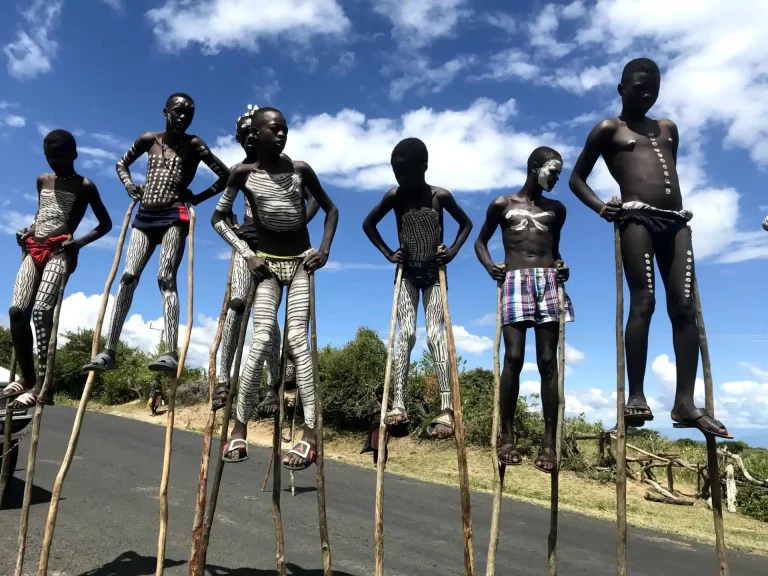
The Karo are a small ethnic group living along the banks of the Omo River, known for their artistic use of body decoration. Using natural pigments such as chalk, charcoal, and ochre, they create intricate designs for celebrations and social events. Fishing, farming, and river-based livelihoods sustain the community, setting them apart from neighboring cattle-focused groups. Due to their small population, visiting the Karo offers an intimate and personal cultural experience rooted in creativity and harmony with nature.

Dassanech People

The Dassanech inhabit the southernmost parts of the Omo Valley near the borders of Kenya and South Sudan. Their lifestyle is closely connected to the Omo River, which supports fishing, flood-retreat farming, and cattle herding. Known for their adaptability, the Dassanech have developed survival strategies suited to a harsh and changing environment. Traditional ceremonies, distinctive hairstyles, and handcrafted ornaments reflect a resilient culture shaped by both nature and history.


Banna People

Closely linked to the Hamar, the Banna live in the highland regions between Jinka and Turmi. They combine semi-nomadic traditions with regular engagement in local markets, creating a strong balance between tradition and interaction with neighboring communities. Banna people are recognized for their colorful attire, beadwork, and ceremonial gatherings. Their villages, often set amid rolling hills and open landscapes, provide visitors with a relaxed and welcoming cultural experience.


Arbore (Erbore) People

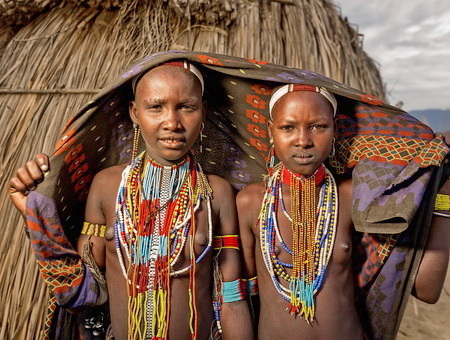
The Arbore are a smaller ethnic group living near Lake Chew Bahir in the southern Omo region. They practice agro-pastoralism and are known for their close-knit social structure and peaceful traditions. Ceremonial dances, oral storytelling, and age-based social roles form the foundation of Arbore society. Their modest population and limited exposure to tourism have helped preserve customs that reflect simplicity, cooperation, and deep cultural continuity.


Tsemay (Tsamai) People

The Tsemay live between the Weyto River and Konso highlands and follow a semi-nomadic way of life. Markets play an important role in their culture, bringing together clans dressed in vibrant beadwork, metal jewelry, and traditional hairstyles. Livestock, farming, and craftsmanship sustain daily life. The Tsemay are known for their adaptability and strong community bonds, which remain central to their cultural identity.


Bodi (Me’en-Bodi) People

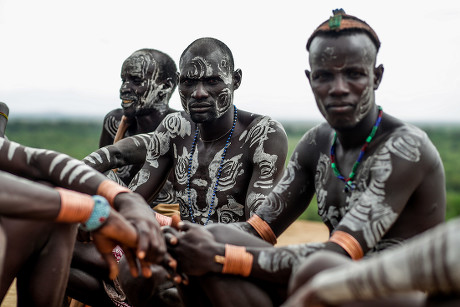
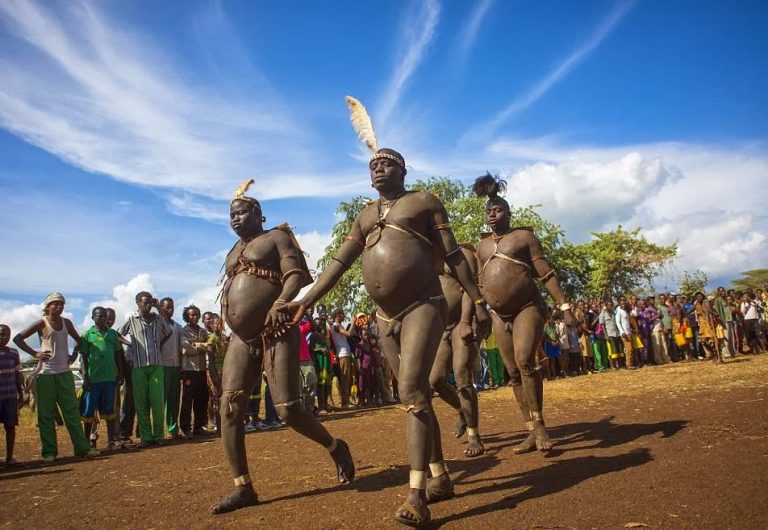
The Bodi people inhabit remote territories west of the Omo River and are culturally related to the Me’en. They are widely known for ceremonial celebrations in which men prepare for festivals through ritual body transformation. Painting the body with clay and ash, performing dances, and honoring cattle traditions are central elements of Bodi culture. Their isolation has allowed them to maintain practices rarely seen elsewhere in Ethiopia.


Nyangatom People

The Nyangatom live in the remote Lower Omo Valley near Ethiopia’s borders with Kenya and South Sudan. Cattle herding forms the backbone of their economy and social system. Women decorate themselves with vibrant beadwork made from metal, leather, and recycled materials, reflecting both creativity and resilience. Despite environmental challenges, the Nyangatom maintain strong traditions centered on unity, survival, and ceremonial expression.